





Global Women's Health Solutions Company
DELIVERING INNOVATIONS TO YOUR TEAMS. ANYWHERE.


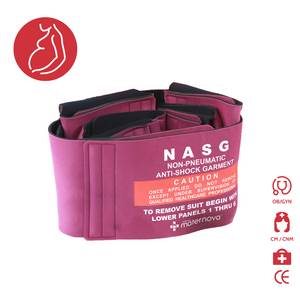

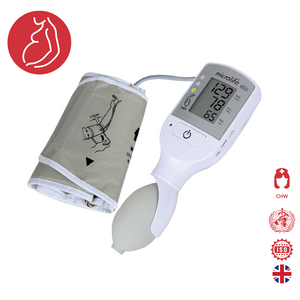
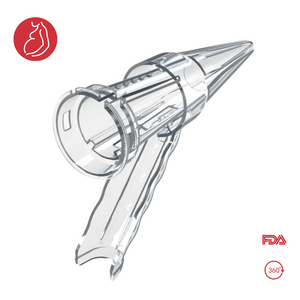


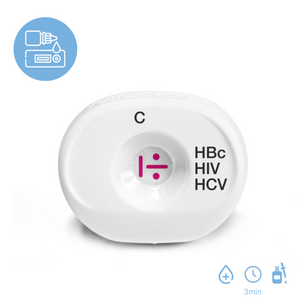
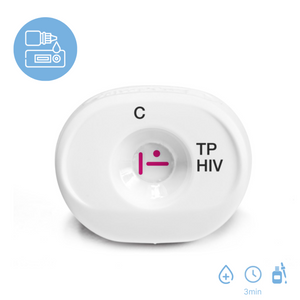









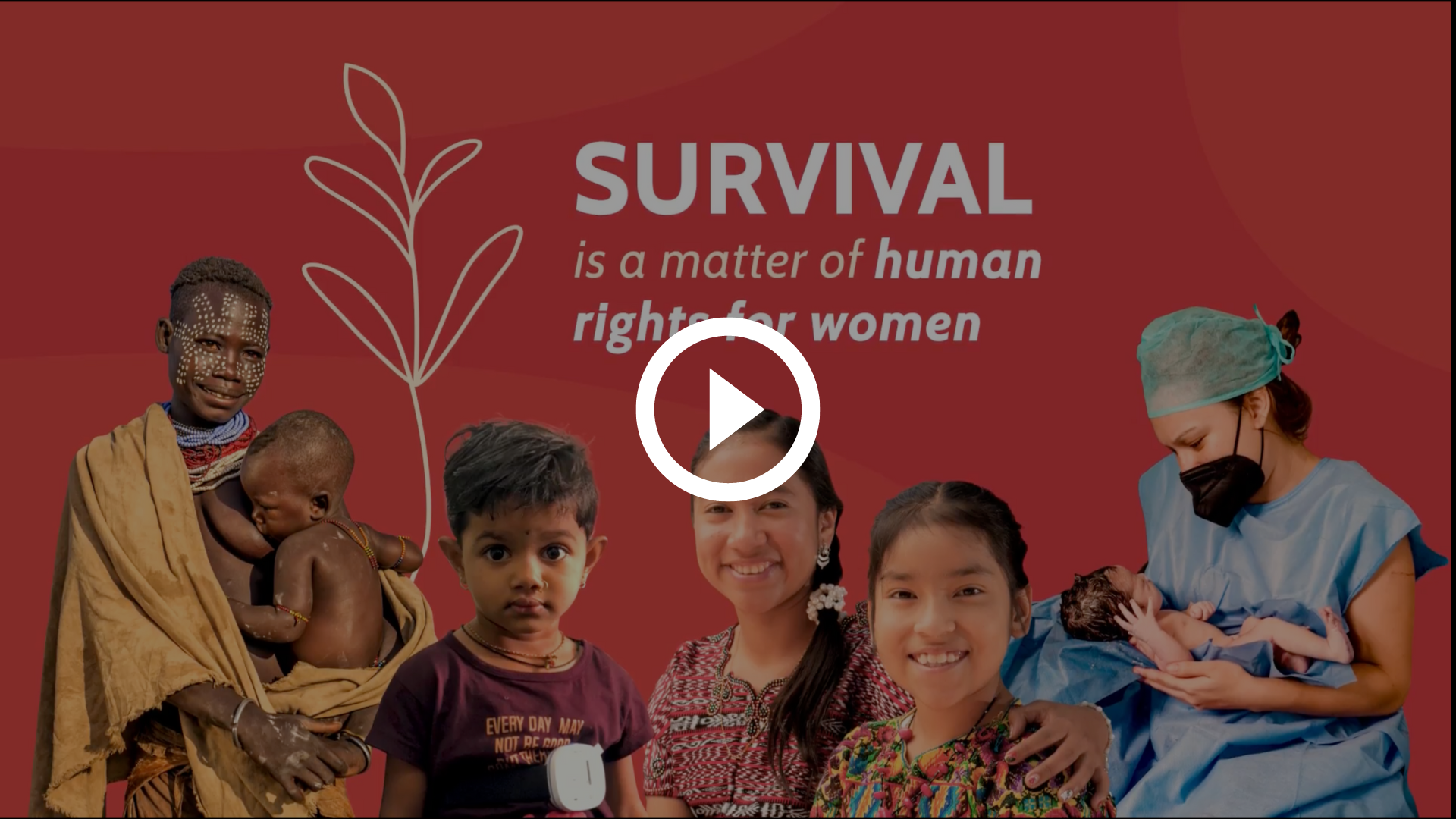
Problems We Focus On


STIs and HIV: Women and Children
Embark on a Path of Hope: Maternova's Lifesaving Solutions for Women and Children

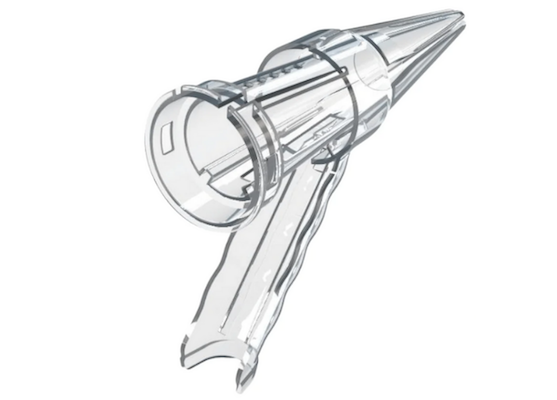
Women's Reproductive Health
Experience the Cutting-Edge Bouquet Speculum:
Advancing Women's Reproductive Well-being.
As seen in ...










Work with us
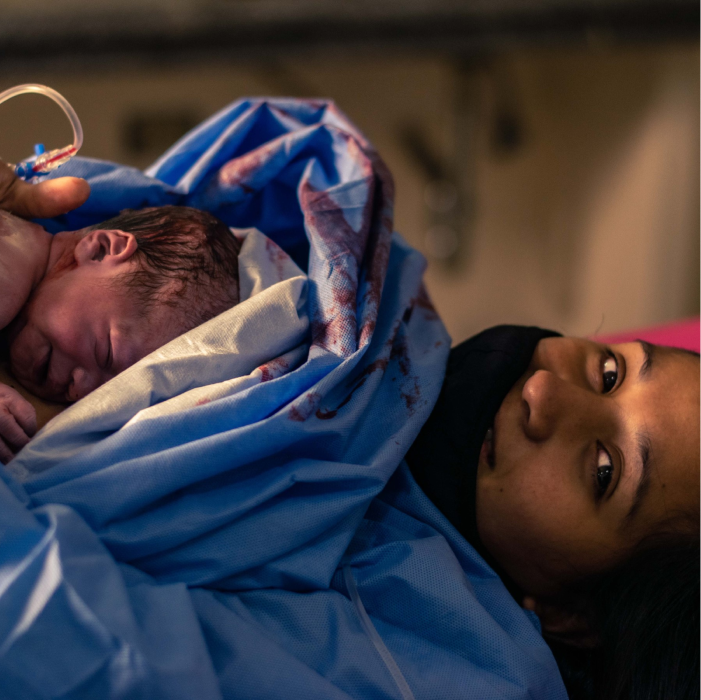
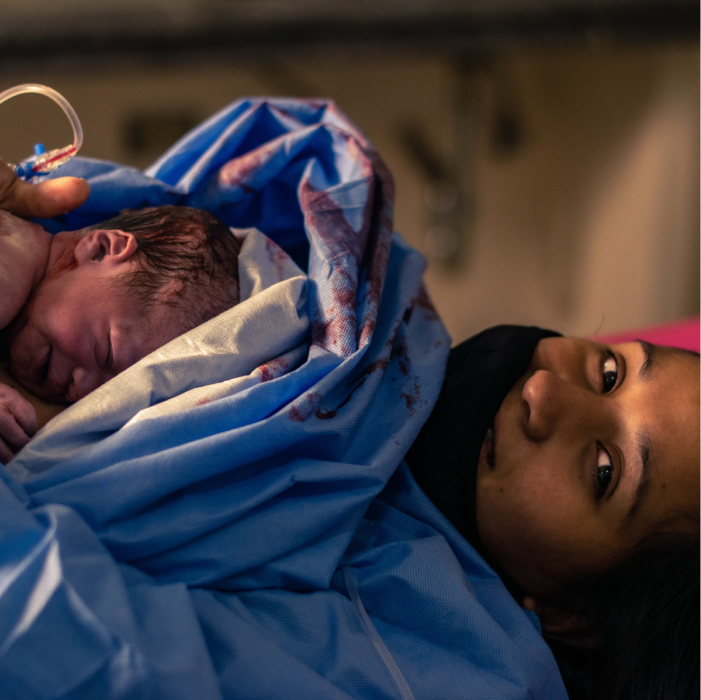
Humanitarian and Developmental Organizations
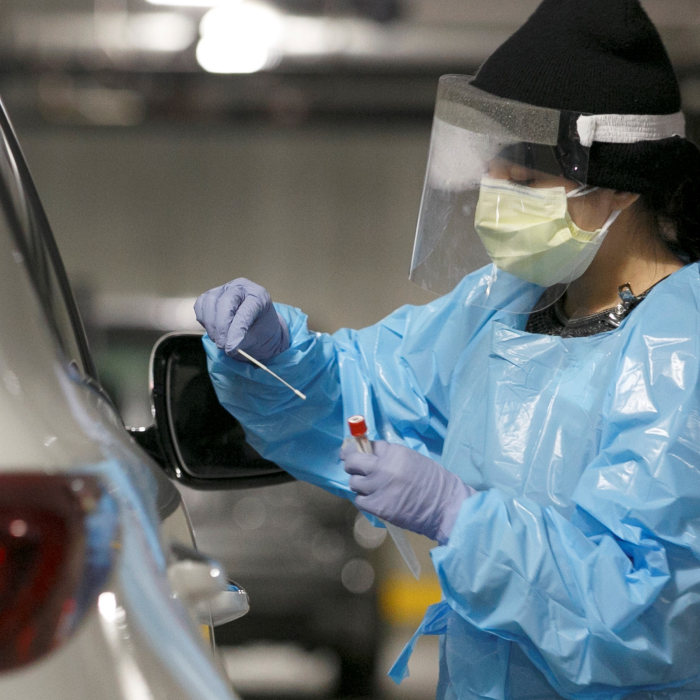
Maternova provides essential medical supplies for women and infants wherever your health centers and medical units need them. As a pre-approved vendor on the UN Global Marketplace, we supply trusted and tested medical devices and diagnostics that meet WHO criteria.

Ministries of Health
Maternova advises your ministers of health on medical devices and diagnostics that align with your public health objectives and strategies. We are prequalified as a vendor to the UN on the UN Global Marketplace and work closely with you to procure and distribute the most useful and cost-effective medical technology available to save the lives of women and babies.
Distributors
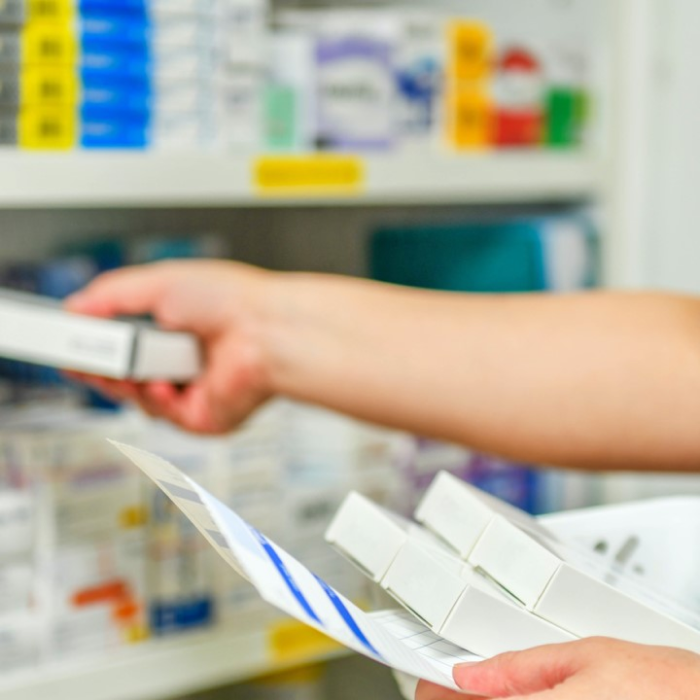
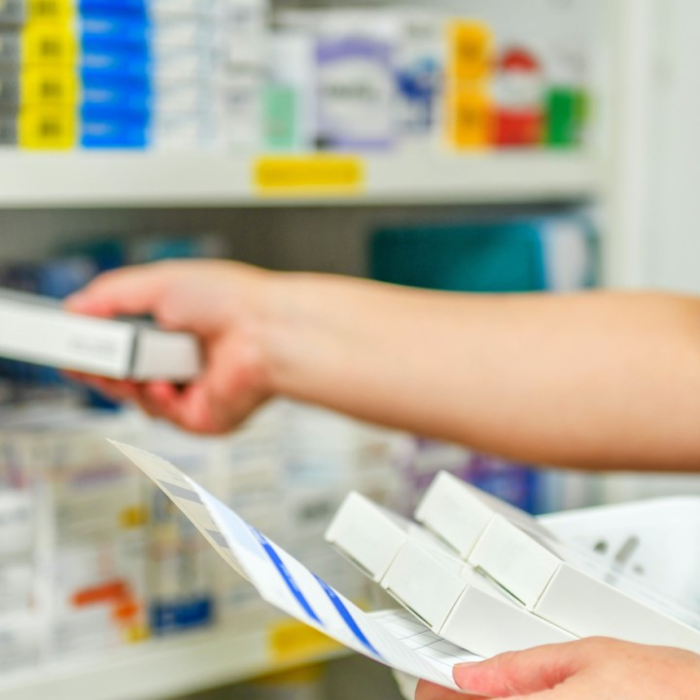
Maternova offers a well curated range of evidence-based medical technologies that expands and differentiates your offerings. We specialize in maternal, fetal, and child health innovation and work with you to make a clinical case to your network of hospitals and clinics.
Listen to our customers

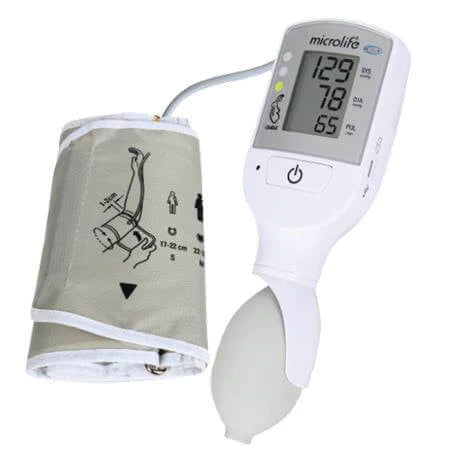
CRADLE Vital Signs Alert (blood pressure device)
We have already found that for community health workers, this device is a big improvement over the traditional sphyngmamometers, which leave too much room for error.
Dr. Jean-Eric Calvaire, Medical Director, Care2Communities, Haiti

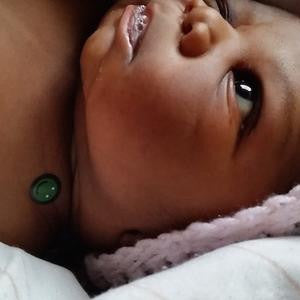
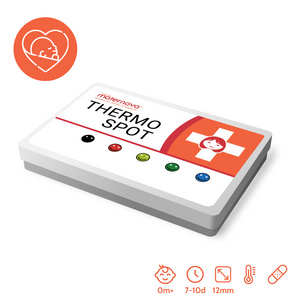
The ThermoSpot is easy to use and easy to explain to new mothers. In our field testing it took less than 20 minutes to explain.
Saving Mothers, Kenya

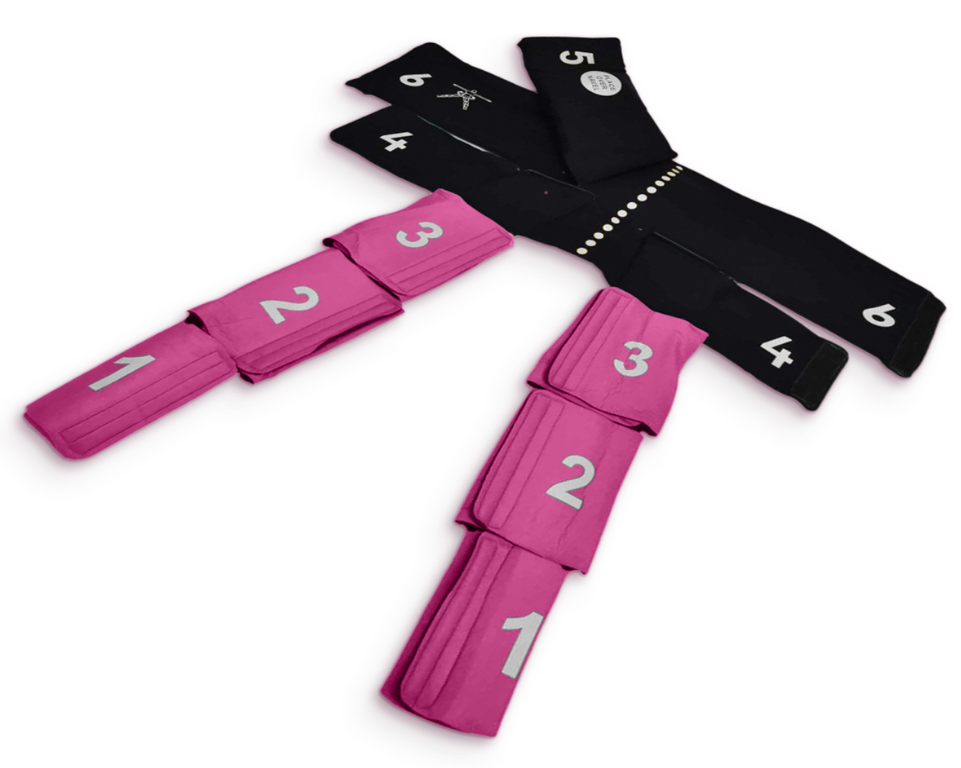
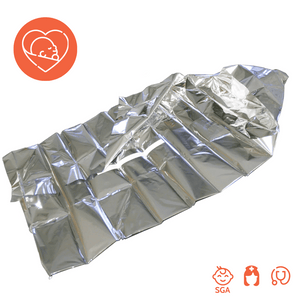
We are very aggressive in our management of postpartum hemorrhage. Using the NASG we have been able to stop postpartum hemorrhage and avoid blood transfusions.
Mercy in Action, Philippines
Our Trusted Partners



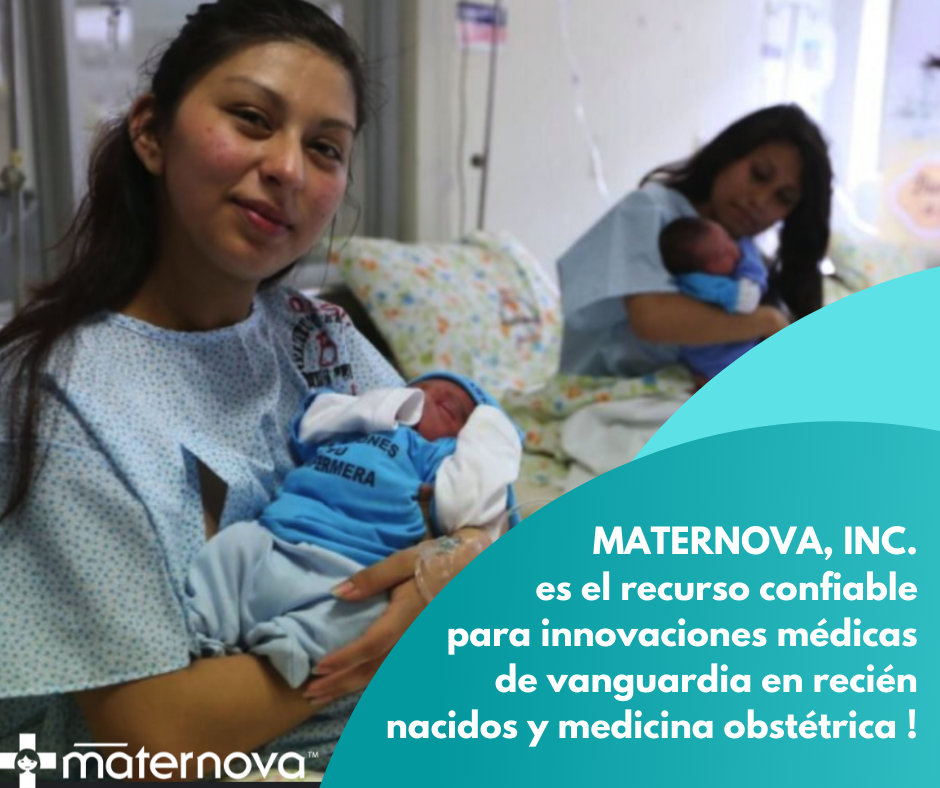
Benefits of intravenous iron to treat anemia in pregnancy
Oxygen is essential for life, but it needs to be transported by hemoglobin to be used. Anemia occurs when the amount of hemoglobin falls below normal levels. In 2011, 32...

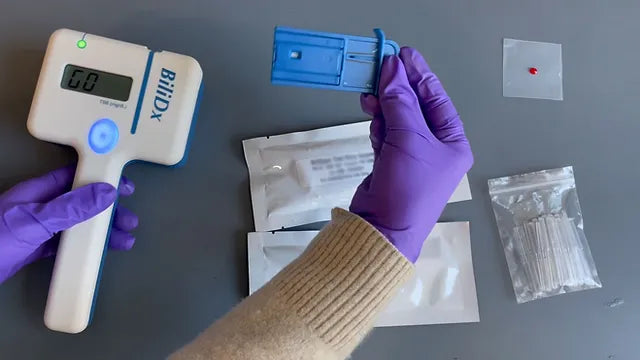
A Point of Care Bilirubinometer Using Blood: BiliDx
The BiliDx is a novel system for diagnosing jaundice. The device uniquely meets the Target Product Profile (TPP) developed as part of the NEST 360 initiative in that it allows...

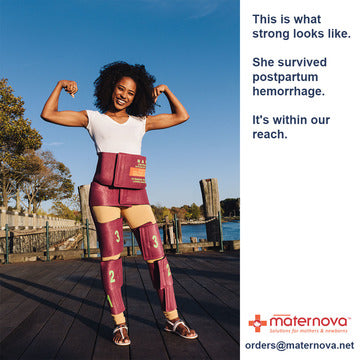
Clinical Indications for Applying (and Removing) the NASG: Rule of 20
Postpartum hemorrhage is one of the main causes of maternal mortality worldwide. Most of these occur in low-resource countries and are preventable if detected and treated in a timely manner....
{formbuilder:60191} 
