
Neonatal & Child Health
The neonatal period (the first 28 days of life) is the most critical stage for a child's survival and long-term health. Maternova is committed to improving maternal, newborn, and child health by providing evidence-based technologies that support healthcare providers in delivering quality care, particularly in low- and middle-income countries (LMICs). We focus on innovative solutions that help address the unique challenges of the newborn period, including respiratory support, temperature management, infection prevention, and early diagnosis, while continuing to expand our portfolio of child health innovations.
In many low- and middle-income countries, safe childbirth and quality neonatal care remain significant challenges. Limited access to essential medical equipment, trained healthcare professionals, and timely diagnosis can increase the risk of preventable newborn illness and mortality. Affordable, reliable, and evidence-based medical technologies can help improve outcomes for both mothers and newborns while strengthening healthcare systems.
Maternova researches, evaluates, and distributes life-saving innovations designed to improve maternal and child health. Our portfolio includes both practical, low-cost solutions and advanced medical technologies developed for use in hospitals, neonatal intensive care units (NICUs), maternity wards, and community healthcare settings. These innovations support essential newborn care, neonatal respiratory support, newborn warming, temperature monitoring, jaundice screening, and other critical interventions that improve neonatal survival.
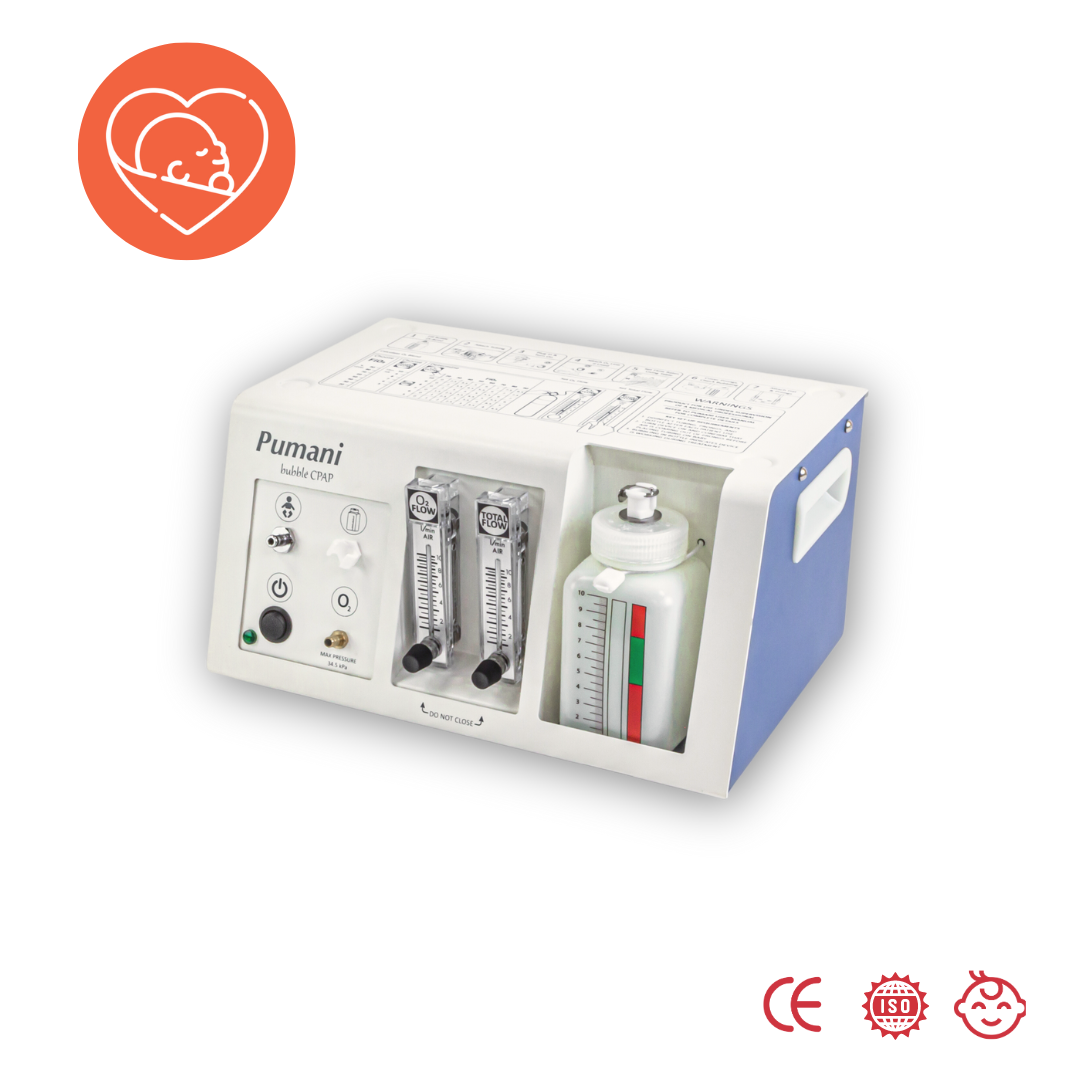
Our neonatal health solutions include technologies such as the Pumani Bubble CPAP for neonatal respiratory support, the Dream Warmer Infant Heating Mattress for hypothermia prevention, the Celsi Monitor for continuous newborn temperature monitoring, and a bilirubinometer for point-of-care jaundice screening. Together, these technologies help healthcare providers identify and respond quickly to life-threatening conditions during the newborn period.
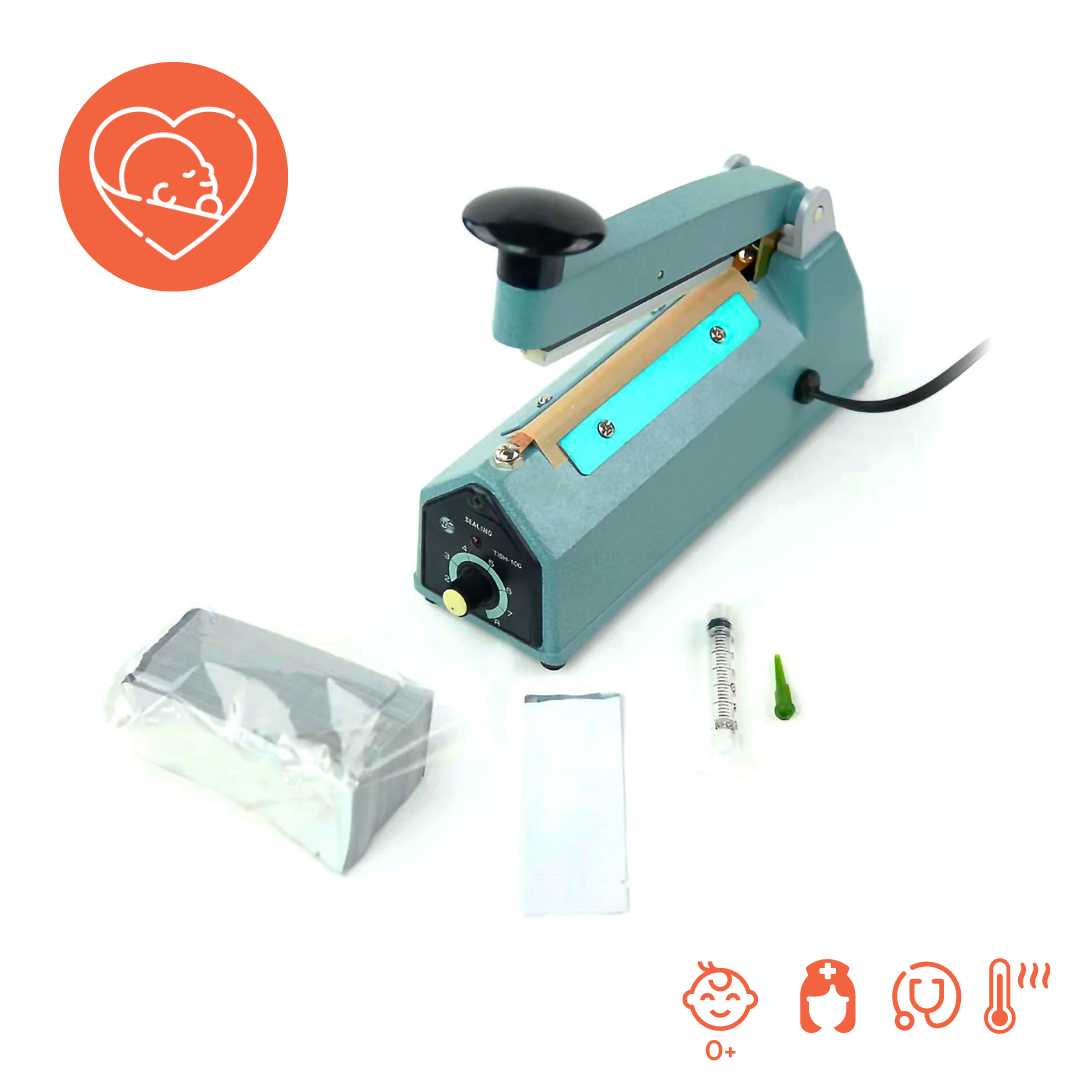
Beyond childbirth, early diagnosis and preventive care remain essential for protecting infant health. Maternova also offers innovations such as the Pratt Pouch, which supports the prevention of mother-to-child transmission (PMTCT) of HIV by enabling HIV-exposed infants to receive prescribed medication safely at home under caregiver supervision.
Clinical Applications
Maternova's neonatal and child health technologies support:
- Neonatal Intensive Care Units (NICUs)
- Newborn Stabilization Units
- Labor and Delivery Units
- Maternity Hospitals
- Pediatric Hospitals and Clinics
- Community Health Programs
- Humanitarian and Global Health Programs
- Low-resource Healthcare Settings
Featured Neonatal & Child Health Solutions
- Pumani Bubble CPAP
- Dream Warmer Infant Heating Mattress
- Celsi Continuous Temperature Monitor
- Bilirubinometer
- Pratt Pouch
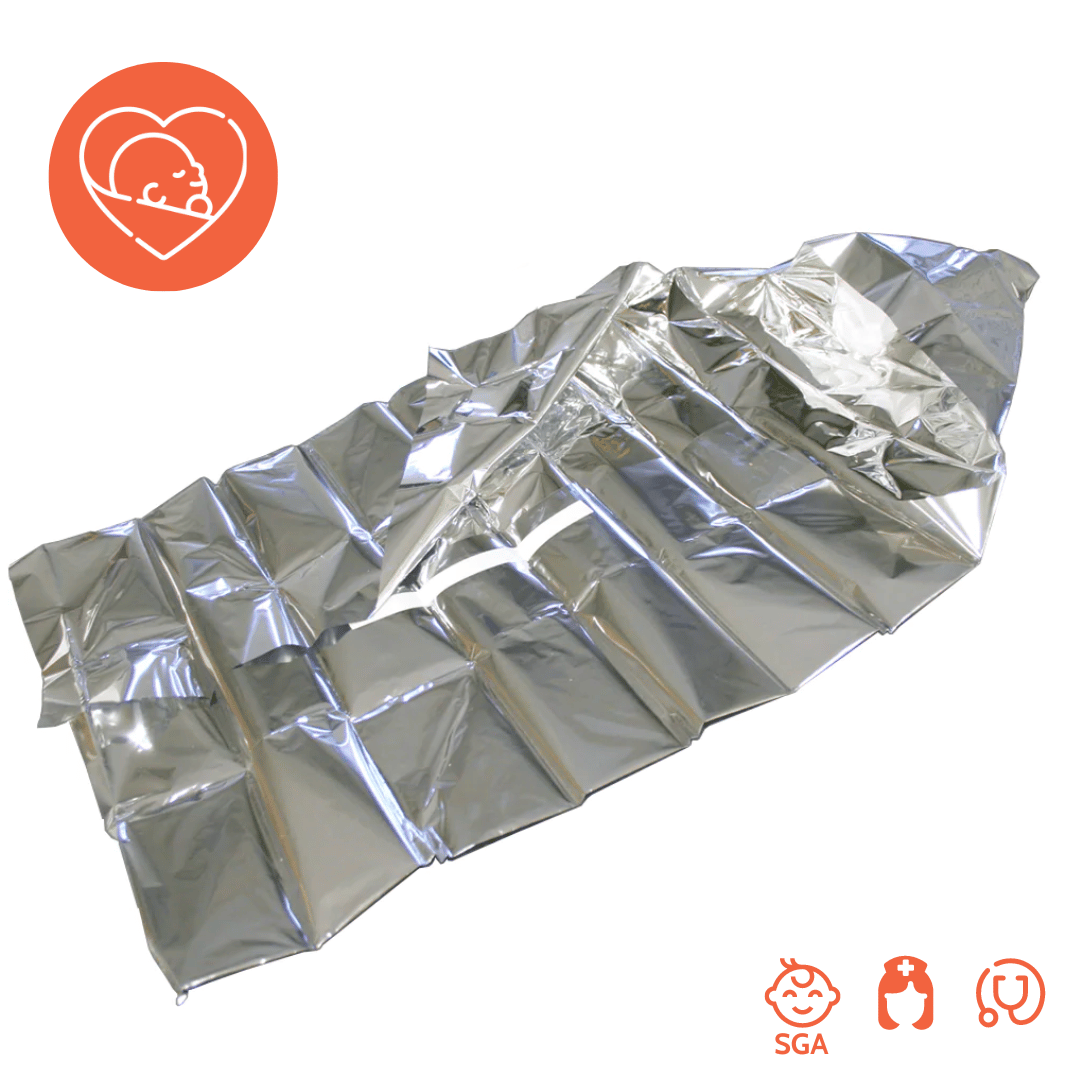
- Infant Transport Blanket
Frequently Asked Questions
Why is the neonatal period important?
The first 28 days of life represent the highest-risk period for newborn mortality. Early diagnosis, timely intervention, and access to appropriate medical technologies can significantly improve survival and long-term health outcomes.
What healthcare settings use these technologies?
Maternova's neonatal and child health solutions are used in hospitals, NICUs, maternity wards, pediatric units, community healthcare facilities, humanitarian programs, and other healthcare settings focused on maternal and newborn care.
Are these technologies suitable for low-resource settings?
Yes. Many of Maternova's innovations are specifically designed to meet the needs of low-resource healthcare environments while remaining reliable, durable, and easy to use.
Explore Maternova's neonatal and child health solutions to learn more about technologies that support newborn survival, maternal care, and pediatric healthcare. Contact our team for product information, pricing, or technical guidance.